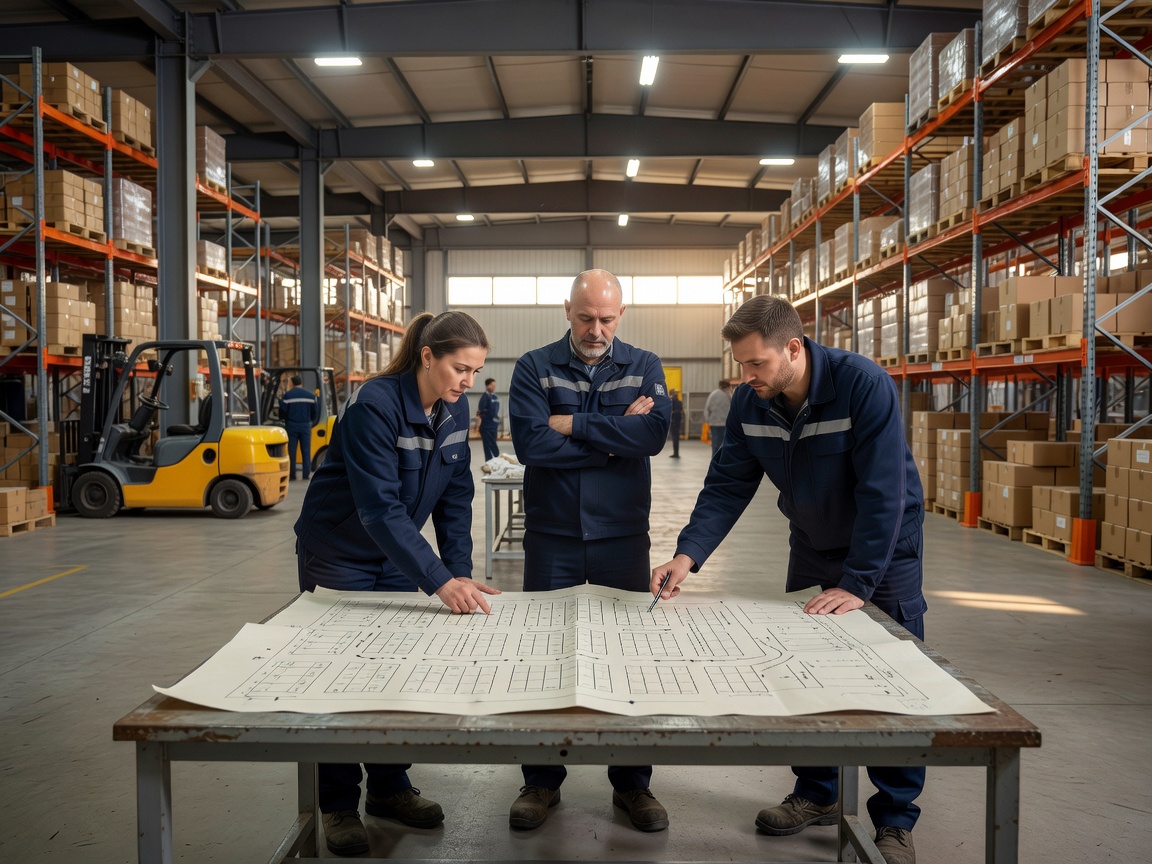
01 / WAREHOUSE OPERATIONS
Warehouse Operations Training
Receiving, put-away, storage organization, picking, packing and dispatch preparation. Built for personnel working around stock movement and warehouse coordination.
Explore Warehouse Training →LOGISTICS TRAINING CONTROL / EU OPERATING ENVIRONMENTS
Professional development for warehouse, transport, inventory and logistics personnel. Training follows the working sequence: assess, train, practice, verify, apply.
PROGRAM DIRECTORY / 05 MODULES
Each program separates core skills from employer-specific procedures, regulated requirements and local operating conditions.
01 / WAREHOUSE OPERATIONS
Receiving, put-away, storage organization, picking, packing and dispatch preparation. Built for personnel working around stock movement and warehouse coordination.
Explore Warehouse Training →
02 / TRANSPORT PLANNING
Shipment coordination, route documentation, dispatch workflows, carrier communication and cross-border operational considerations.
View Transport Training →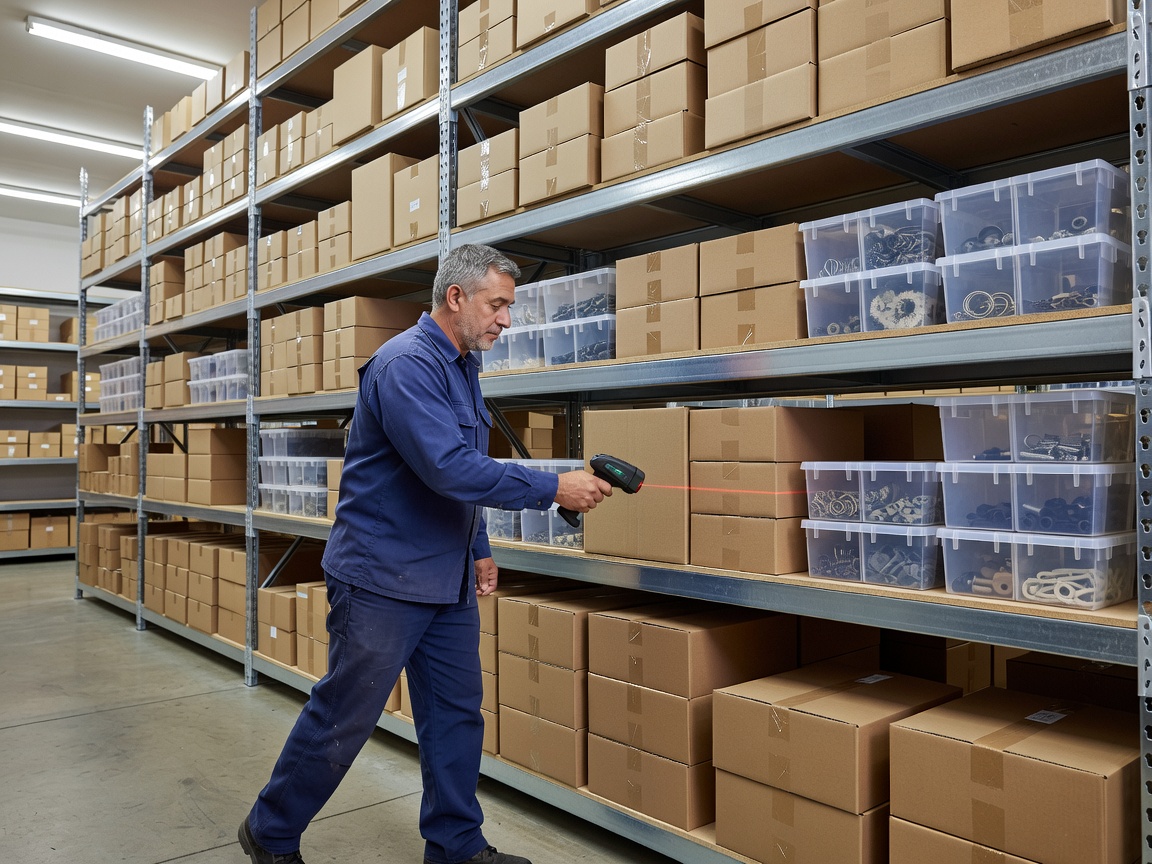
03 / STOCK VISIBILITY
Stock records, cycle checks, order fulfilment, discrepancy handling and warehouse-to-dispatch visibility.
Review Inventory Training →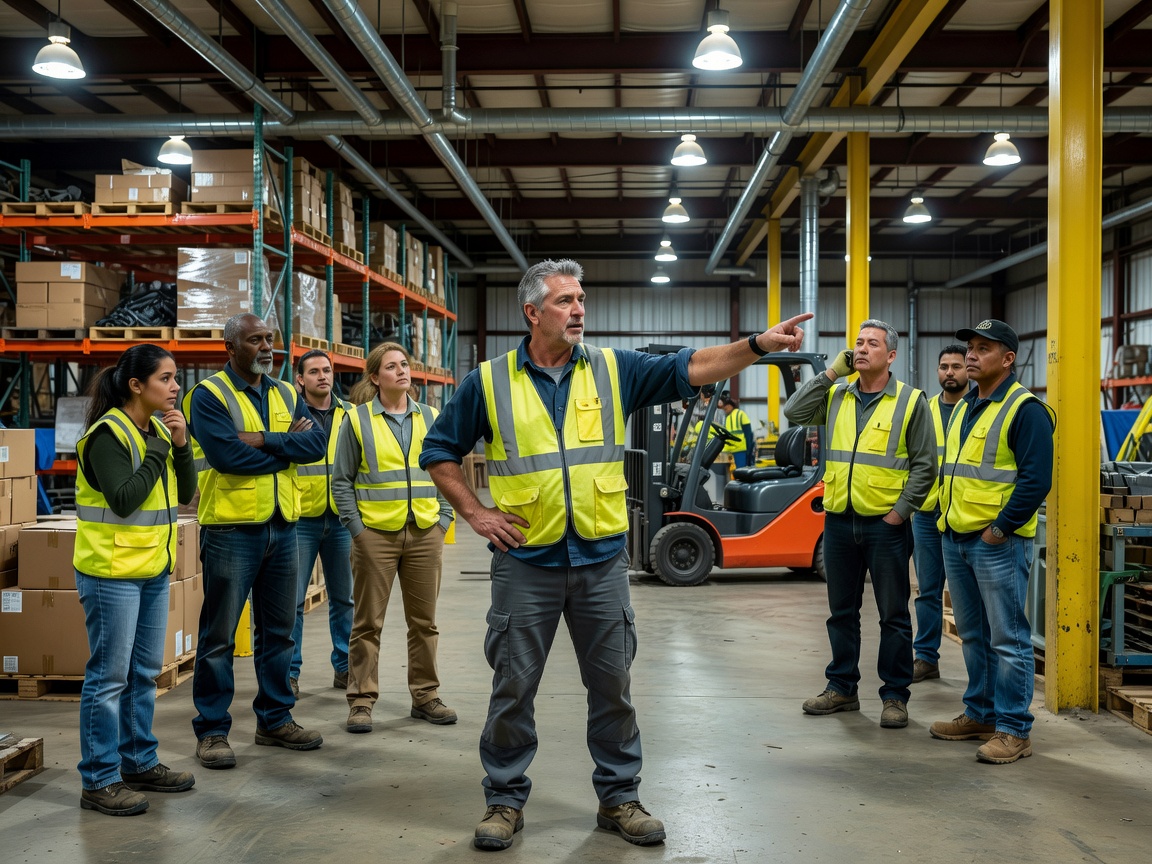
04 / SAFE WORK SYSTEMS
Hazard recognition, PPE awareness, pedestrian and vehicle separation, incident reporting and safe operational behaviour.
Explore Safety Training →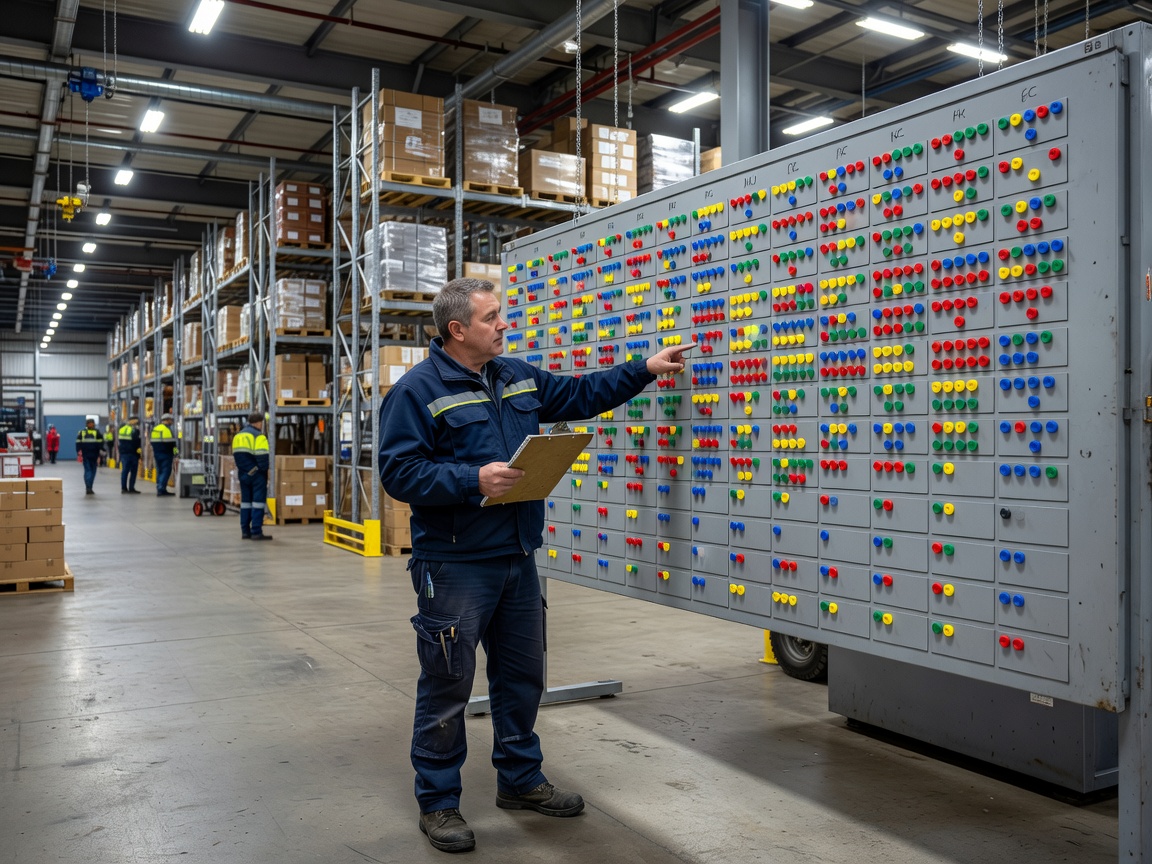
05 / PEOPLE AND FLOW
Shift organization, workflow monitoring, communication, escalation, observation and continuous improvement.
View Supervisor Development →CONTROL METHOD
Identify role requirements, current practice and operational gaps.
Build terminology, judgement and process awareness.
Use realistic scenarios without replacing site induction.
Review understanding against defined learning objectives.
Transfer learning into local work instructions and supervision.